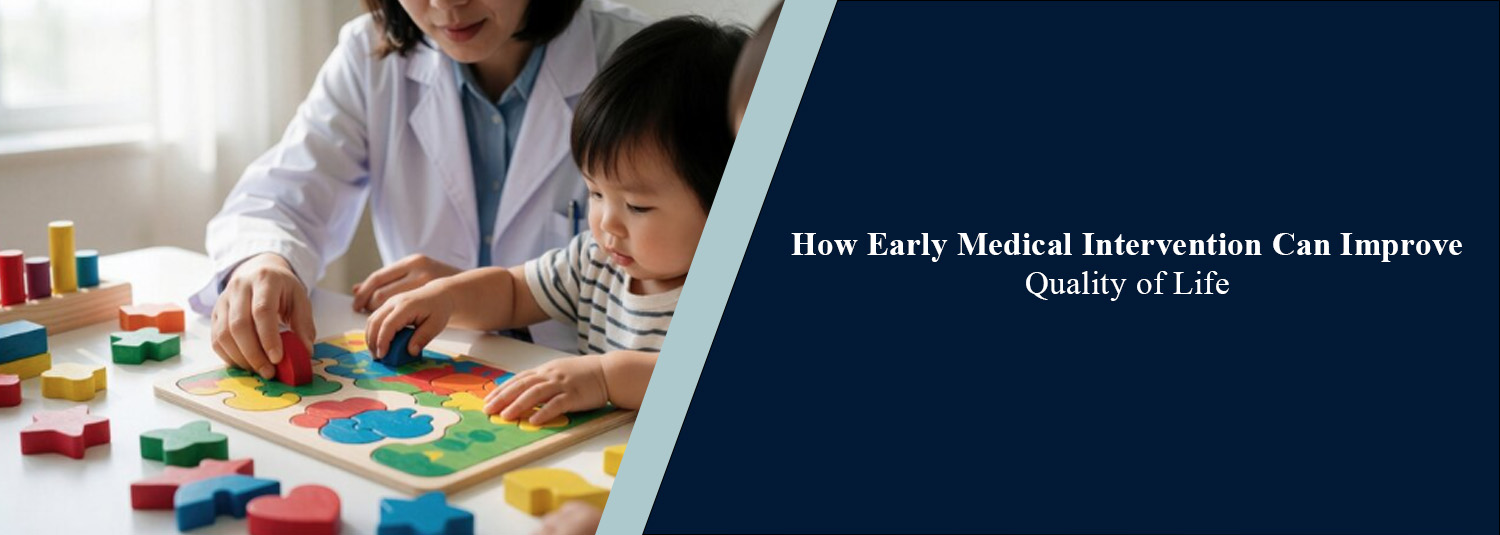
Early medical intervention is an intervention that is taken towards a potential health problem just after it's detected. This can include a consultation with a healthcare professional, diagnostic testing, lifestyle recommendations, and, if needed, medication(s) and/or ongoing monitoring. It is based on the symptoms and medical history, age, risk factors, and test results of the person concerned.
Why Early Evaluation Matters
For some medical issues, symptoms may not be significant initially but worsen over time. A late diagnosis and appropriate treatment may result due to symptoms becoming severe. A prompt evaluation can help to decide if the symptom will resolve on its own, if it will need to be monitored, or if further evaluation is necessary. This can help fuel better health care choices.
Early Diagnosis and Better Health Management
A diagnosis early on can give medical staff more information about the disease and how it's progressing. Depending on the diagnosis, treatment and/or monitoring could then be planned based on the individual's needs. In some cases, there may be a possibility of making a long-term management plan for chronic illnesses if they can be identified early.
The Role of Diagnostic Testing
Diagnostic testing is commonly a crucial element in early medical assessment. Blood tests, imaging tests, molecular diagnostics, or other tests may provide information about particular health queries. For instance, blood sugar, blood counts, thyroid function, liver and kidney function, cholesterol, and other health parameters can all be measured in the lab. Molecular Diagnostics and Therapy has diagnostic services that help assess medical conditions, help in preventive screening, and are used to investigate the early stages of disease and monitor health.
Managing Symptoms Before They Affect Daily Life
Ongoing health issues may affect some aspects of life, including school or work, sleep, physical activity, overall health and well-being, and everyday life. If symptoms don't go away, medical advice can be helpful in determining the potential cause and seeing if additional evaluation is necessary. The aim is not to suggest that all symptoms are signs of serious disease, but rather to encourage timely medical care when needed.
Early Intervention in Chronic Conditions
Long-term monitoring is needed for chronic health conditions. There are instances where identification of early signs of certain conditions can help healthcare workers to decide on reasonable follow-up and management. Monitoring programs can provide information on any changes in health and help determine whether the current management approach remains appropriate.
Preventing Potential Complications
In some cases, an underlying medical condition doesn't get better and can create complications if it's not treated or controlled appropriately. In some cases, the risk for complications can be lessened by appropriate early evaluation and management. The advantages of early intervention are dependent on the condition, the degree of the condition, and the overall health of the individual.
The Importance of Preventive Healthcare
Obviously, early intervention and preventive health care are intertwined. Some health abnormalities or risk factors can be identified through regular health checks and screening before they cause noticeable symptoms. The screening guidelines depend on individual risk factors, medical history, and family history, as well as age. Healthcare professionals can guide you in determining appropriate assessment.
Avoiding Self-Diagnosis
A problem nowadays in the healthcare field is that patients are often diagnosed based on information they've got online. There are numerous different causes for the same symptom, and therefore self-diagnosis is not necessarily reliable. A professional evaluation gives a healthcare provider the chance to take into account the entire clinical picture to perform the necessary tests as needed.
Conclusion
Timely medical care could be crucial for supporting the quality of life by promoting timely evaluation, correct diagnosis, and optimum care for health. If health concerns are identified at an early stage, then opportunities may exist to monitor or treat the health concern before it becomes more disruptive. This balanced approach includes monitoring ongoing symptoms, adhering to recommended preventive testing, pursuing healthy habits, and seeking expert medical advice and care if there are concerns. Molecular Diagnostics and Therapy help implement this concept with diagnostic services used for health assessment, early diagnosis, and continuous monitoring.
Frequently Asked Questions
1. What is early medical intervention?
2. Why is early medical intervention important?
3. Can early diagnosis improve quality of life?
4. What role do diagnostic tests play in early intervention?
5. Can early intervention help manage chronic conditions?
6. When should I seek medical advice?
7. Is self-diagnosis a good approach for health concerns?
8. Where can I get diagnostic testing for medical evaluation?
Dedicated to high-precision nuclear oncology imaging and patient-centric diagnostic safety at Molecular Diagnostics & Therapy Indore.